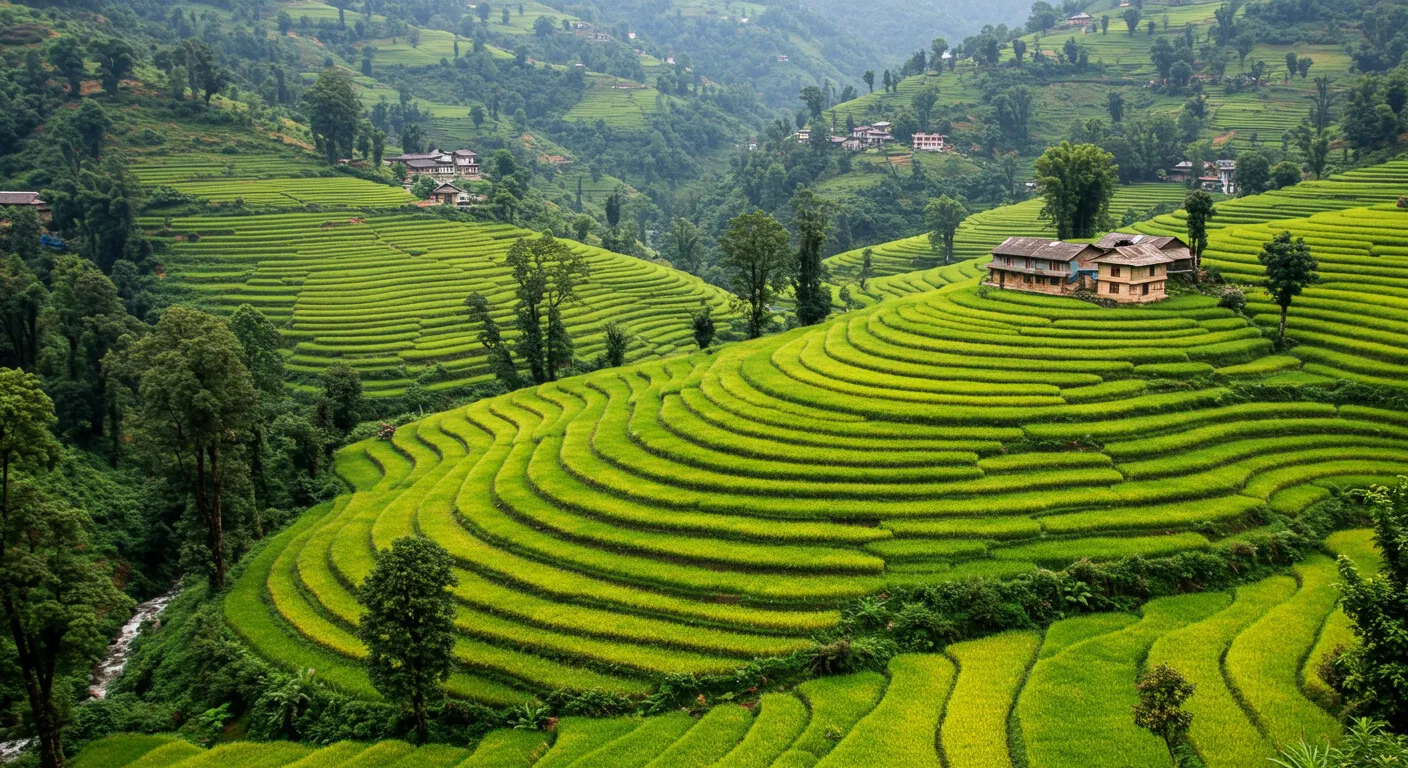
Discover Nepal’s Agricultural Heritage
An agriculture tour in Nepal is a unique way to explore the country’s diverse landscape and agricultural practices to promote sustainable agro-tourism. This tour offers a hands-on experience, allowing you to engage with rural communities in farming and harvesting activities. You’ll get to see traditional farming methods still used in many parts of Nepal, where no machines are involved, and crops are grown the way they were decades ago.
In rural Nepal, food storage is done in traditional ways, with no high-tech systems like those found in developed countries. You'll see how farmers store grains, vegetables, and other produce in simple yet effective ways, connecting you to Nepal’s agricultural past and present.
This tour will take you to scenic areas like Kathmandu, Pokhara, Chitwan, Bandipur, Nuwakot, and Gorkha, where you’ll see farming methods passed down through generations. A highlight of the experience is the farm-to-table journey: after harvesting fresh produce, you’ll participate in cooking sessions to prepare traditional Nepali dishes, learning authentic cooking techniques and flavors that are central to the country’s rich food culture.
This agriculture tour is perfect for families, students, and anyone interested in sustainable farming practices and food production. For students, it’s an educational experience, offering a deeper understanding of organic farming, food production, and the cultural importance of agriculture in the Himalayan region. It also serves as an excellent research opportunity for those studying agriculture, sustainability, or cultural practices.
Overall, this tour provides a perfect blend of education, cultural immersion, and hands-on experience, making it an unforgettable journey that allows you to connect with Nepal’s agricultural roots and its people. Whether you're harvesting crops, learning to cook traditional meals, or witnessing the breathtaking landscapes, this agricultural tour offers a unique and enriching way to experience Nepal.
What You'll Experience
A hands-on journey through Nepal’s agricultural traditions.
Traditional Farming
Engage in traditional farming activities like planting rice, harvesting vegetables, and tending to crops. Learn about organic farming methods and sustainable practices used by local farmers.
Farm-to-Table Cooking
After harvesting fresh produce, participate in cooking sessions to prepare traditional Nepali dishes. Learn authentic recipes and techniques that highlight the flavors of Nepali cuisine.
Explore Scenic Farms
Visit organic farms in scenic regions like Nuwakot, Bandipur, and Gorkha. Experience the breathtaking landscapes while learning about the diverse crops grown in each region.
Cultural Immersion
Immerse yourself in the local culture by interacting with rural communities. Participate in traditional activities, enjoy cultural programs, and learn about the importance of agriculture in Nepali life.
Major Agricultural Activities in Nepal
Nepal’s diverse geography supports a wide range of agricultural activities, with farming being the main livelihood for many rural communities. Some of the major agricultural activities in Nepal include:
- Ropai (Rice Planting): A traditional activity where farmers plant rice seedlings in flooded fields, primarily during the monsoon season. It is one of the most important agricultural activities, especially in the Terai region and the hilly areas where rice is the staple crop.
- Tea Gardening: Tea cultivation is a major agricultural activity, especially in the hilly regions of eastern Nepal, like Ilam, Dhankuta, and Terhathum. Nepal is known for producing high-quality teas, including orthodox, black, and green tea.
- Vegetable Farming: Vegetables like potatoes, tomatoes, cauliflower, and cabbage are widely grown across Nepal, particularly in the Terai and hill regions. These vegetables are crucial for local consumption as well as for export to neighboring countries.
- Maize (Corn) Farming: Maize is another important crop in Nepal, especially in the hilly and mountainous regions. It is a staple food for many households and is grown both for consumption and as fodder for livestock.
- Fruit Farming: Nepal grows a variety of fruits, including apples, oranges, mangoes, and bananas. The cool climate of the hilly regions is perfect for fruit farming, especially apples and citrus fruits.
- Barley and Millet Farming: In the higher-altitude regions, farmers grow barley and millet, which are drought-resistant and well-suited to the cold climate. These crops are essential for making local foods like "sel roti" (a traditional doughnut) and "dhido" (a type of flour-based dish).
- Horticulture and Flower Farming: Nepal is also known for growing flowers, especially in the mid-hill and Kathmandu Valley areas. Flowers like marigold, rose, and lily are used for religious purposes and are important in the local economy.
Note: This Agriculture Tour in Nepal is highly customizable, allowing you to choose activities based on the season and the type of farming you’d like to experience. You can also decide which kind of farming you'd like to do, working alongside local villagers in rural areas. Whether it's planting rice, harvesting vegetables, or learning about traditional farming methods, this tour offers a unique and enriching way to experience Nepal.
Package Details
Everything you need to know about your journey.
What's Included
- Accommodation in local homestays and eco-lodges
- Daily vegetarian meals (breakfast, lunch, and dinner)
- Transportation during the trip (private vehicle)
- Guided farming and cooking sessions
- Visits to organic farms in Kathmandu, Nuwakot, Bandipur, Chitwan, and Gorkha
What's Not Included
- International flights to/from Kathmandu
- Travel insurance
- Personal expenses (souvenirs, snacks, etc.)
- Tips for guides and drivers
- Additional meals not mentioned in the itinerary
What to Bring
- Comfortable clothing for farming and outdoor activities
- Comfortable shoes for walking and farming
- Reusable water bottle and eco-friendly items
- Personal hygiene items (toiletries, sunscreen, etc.)
- Camera or smartphone for capturing memories